25.7602° N, 80.1959° W
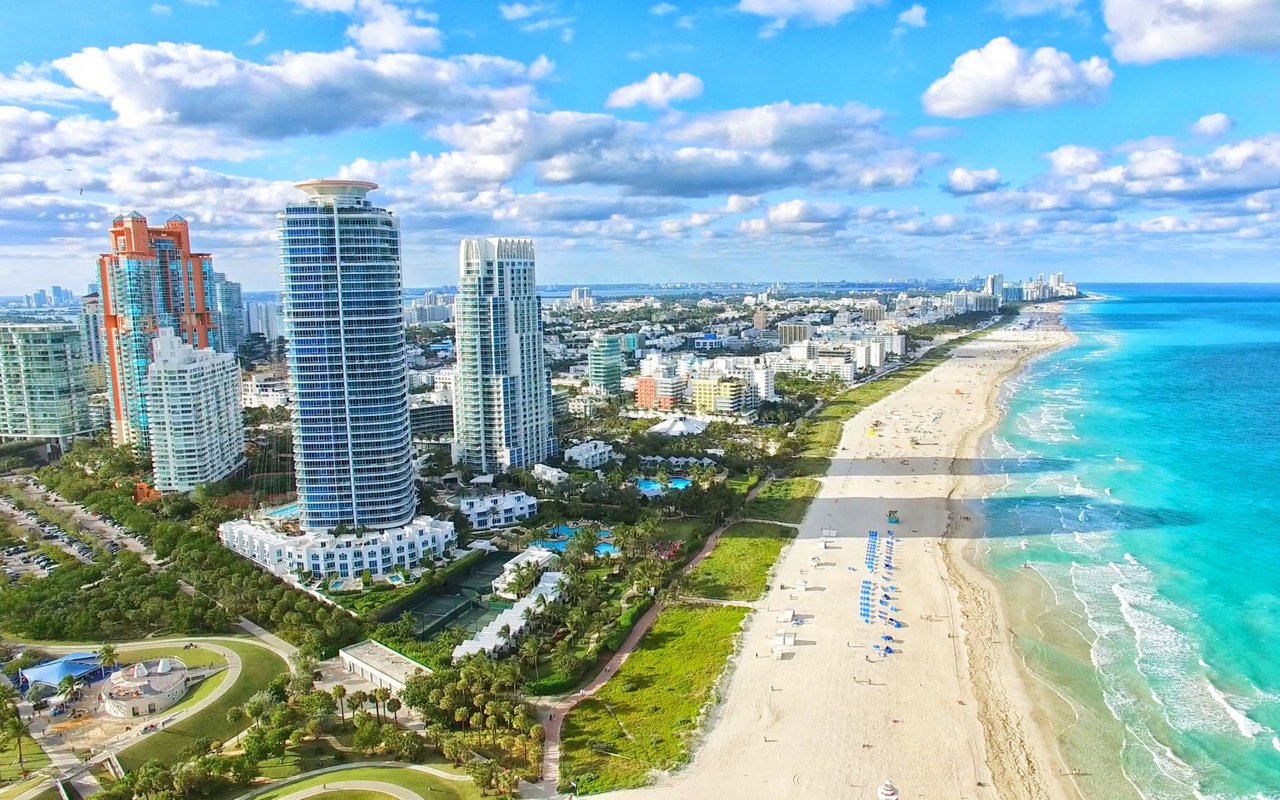
Central Miami is where the city’s ambition lives — a contiguous stretch of neighborhoods running from Brickell’s financial towers north through Downtown’s cultural institutions, into the Design District’s luxury retail corridor, Wynwood’s gallery scene, and Edgewater’s bayfront residential renaissance. Together they form the urban core of a city that has reinvented itself more dramatically than any other American metropolis in the 21st century.
The branded residence revolution, the arrival of world-class museums and performing arts venues, the transformation of former warehouse districts into global art destinations — it is all happening here, within a few square miles of one another, connected by the same Biscayne Bay waterfront and the same restless energy that defines Miami at its best.
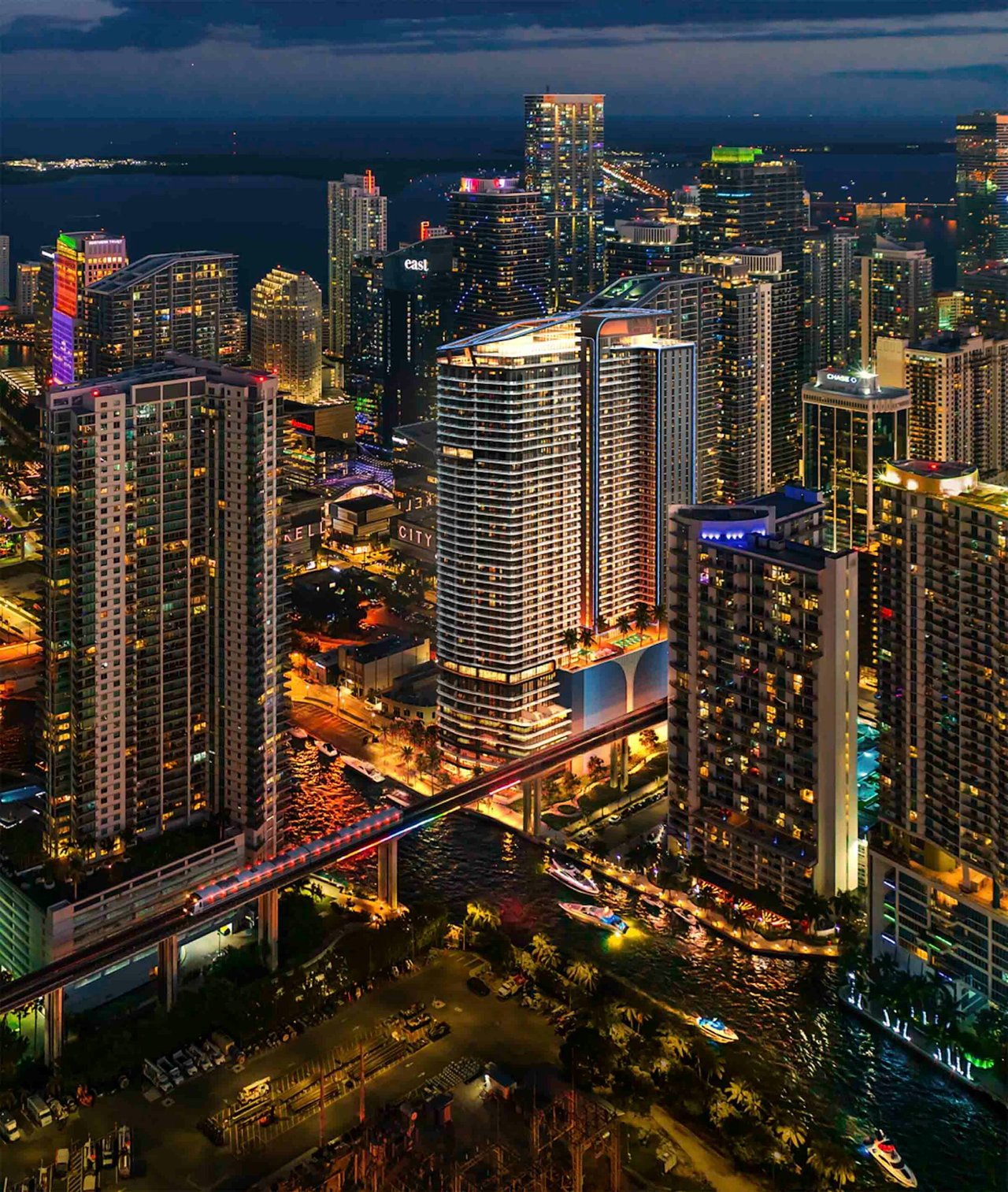
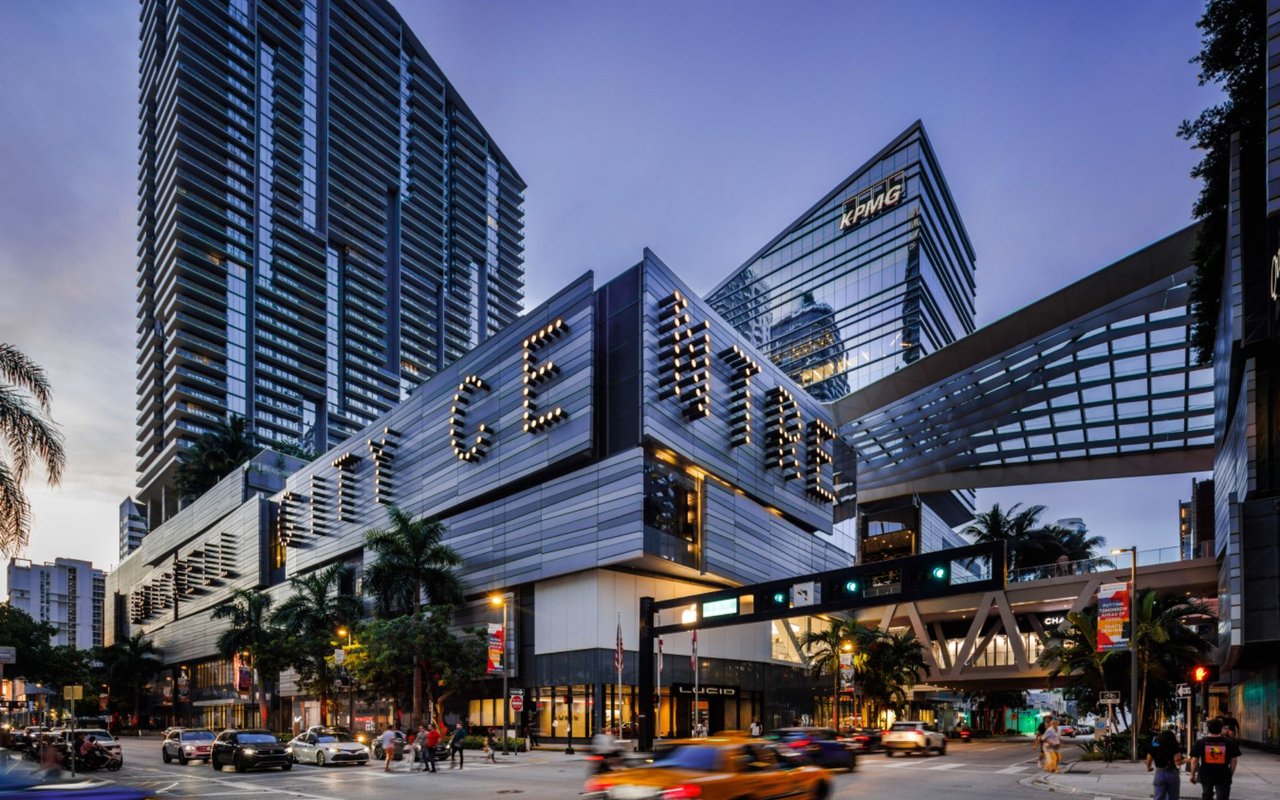
The Manhattan of the South — which is no longer borrowing the comparison. The skyline rising along Brickell Avenue and Bayshore Drive now stands among the great American urban landscapes. Brickell City Centre’s Climate Ribbon, the $1 billion steel-and-glass trellis that channels Bay breezes through 500,000 square feet of luxury retail anchored by Saks Fifth Avenue, is a piece of urban infrastructure that makes this the most genuinely walkable luxury neighborhood in South Florida.
The branded tower race is at full sprint: St. Regis Brickell (penthouses from $20M), the Waldorf Astoria tower, Aston Martin Residences, and Bentley Residences are all competing for the skyline’s crown within blocks of one another.
Downtown Miami has undergone the most dramatic urban transformation of any American city center in the 21st century. What was once a business district that emptied at sundown is now a round-the-clock metropolis of world-class cultural institutions, waterfront parks, and residential towers. The Perez Art Museum Miami (PAMM), designed by Herzog and de Meuron, sits at the water’s edge. The Frost Museum of Science occupies the adjacent parcel. The Adrienne Arsht Center — the second-largest performing arts center in the U.S. — anchors the northern edge. Miami Worldcenter, a 27-acre mixed-use development, is transforming the city’s core.
What was a neglected stretch of pineapple warehouses and showrooms north of I-195 has become one of the most concentrated luxury retail and design destinations in the Americas. Craig Robins’ visionary development transformed the neighborhood into an open-air campus of flagship stores — Louis Vuitton, Dior, Chanel, Prada, Hermès, Cartier, and Fendi all operate major boutiques here — alongside galleries, architecture firms, and design studios. The Institute of Contemporary Art (ICA Miami) provides a museum-caliber cultural anchor, free to the public.
Residentially, the Design District is evolving from a purely commercial corridor into a live-work destination. New luxury condominium and townhome projects are emerging within the district and along its edges, attracting buyers who want to walk to Dior and ICA from their front door. The neighborhood is compact, immaculate, and architecturally curated in a way that feels closer to a European fashion capital than a Florida neighborhood.
The neighborhood that proved art could transform real estate — and then proved the transformation was permanent. Tony Goldman’s Wynwood Walls project in 2009 turned a dying garment district into the largest outdoor street art installation in the world, and the gallery, restaurant, and residential ecosystem that followed has made Wynwood one of the most culturally magnetic neighborhoods in America. Over 70 galleries and museums now operate within the district. Rubell Museum, one of the most important private contemporary art collections in the world, anchors the southern edge.
The residential market has matured rapidly. New luxury mid-rise and boutique condominium projects are replacing the last of the warehouse stock, attracting creative professionals, tech founders, and art-world buyers who want to live inside the energy rather than visit it. Wynwood’s food scene — anchored by KYU, Alter, and a growing roster of chef-driven restaurants — rivals any neighborhood in South Florida.
The bayfront neighborhood that quietly became one of Miami’s most compelling residential addresses. Stretching along Biscayne Bay between Downtown and the Design District, Edgewater offers something increasingly rare in central Miami: unobstructed water views, a genuine neighborhood feel, and direct proximity to the city’s cultural and commercial core without the density of Brickell or the tourism of South Beach. Margaret Pace Park — a waterfront green space with volleyball courts, a dog park, and kayak launches — anchors the community.
The residential transformation has been swift and decisive. Elysee, Missoni Baia, Aria on the Bay, and Paraiso District have collectively repositioned Edgewater from an overlooked corridor into a luxury waterfront destination. The neighborhood’s east-facing orientation delivers sunrise views over Biscayne Bay that rival any address in the city, at price points that still represent value relative to Brickell and Miami Beach.
39,904 people live in Central Miami, where the median age is 37 and the average individual income is $96,317. Data provided by the U.S. Census Bureau.
Total Population
Median Age
Population Density Population Density This is the number of people per square mile in a neighborhood.
Average individual Income
There's plenty to do around Central Miami, including shopping, dining, nightlife, parks, and more. Data provided by Walk Score and Yelp.
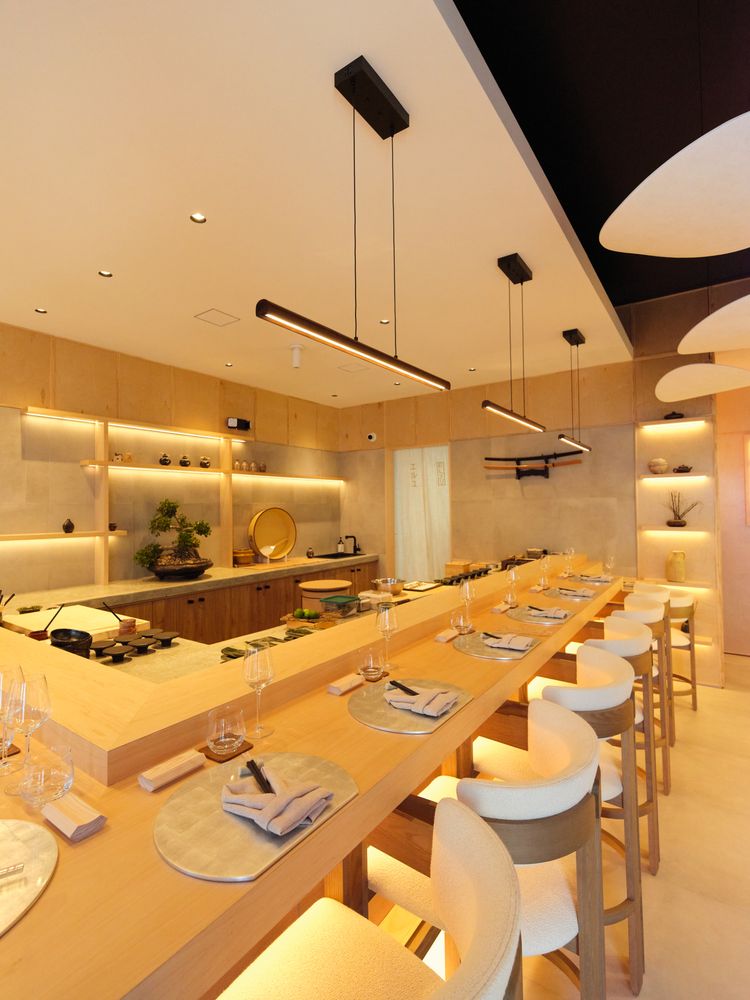
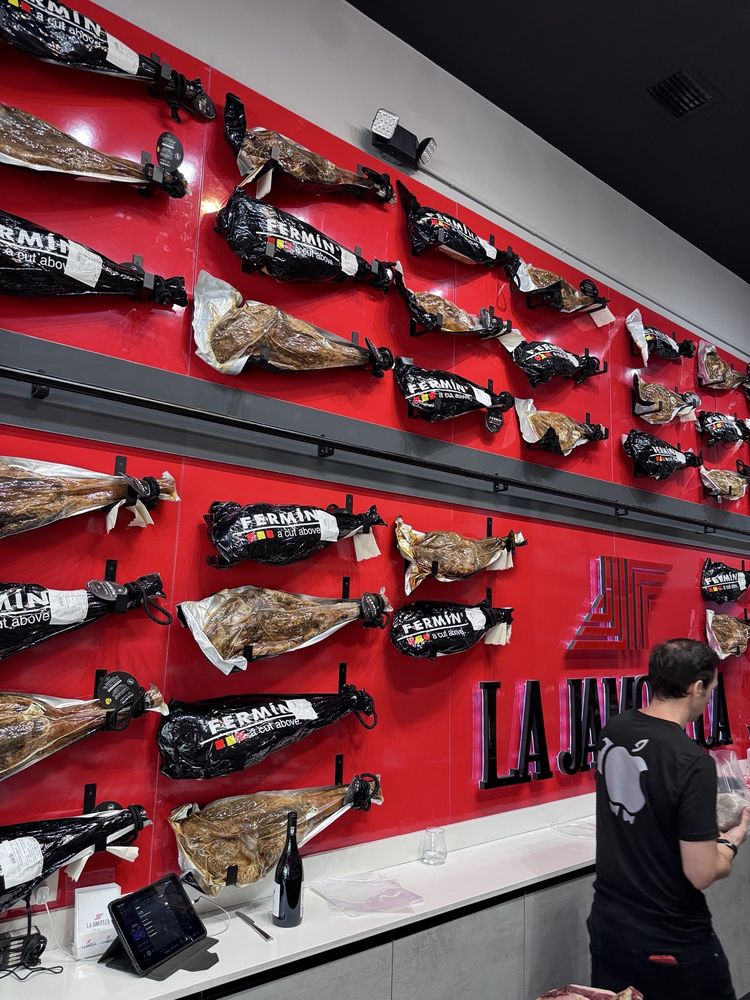
Explore popular things to do in the area, including Elyu Omakase, Itamae AO, and La Jamoteca.
| Name | Category | Distance | Reviews |
Ratings by
Yelp
|
|---|---|---|---|---|
| Dining | 4.16 miles | 7 reviews | 5/5 stars | |
| Dining | 3.18 miles | 7 reviews | 5/5 stars | |
| Dining · $$ | 4.3 miles | 5 reviews | 5/5 stars | |
| Dining | 2.92 miles | 9 reviews | 5/5 stars | |
| Dining | 3.98 miles | 10 reviews | 5/5 stars | |
| Dining | 0.97 miles | 5 reviews | 5/5 stars | |
| Shopping | 0.37 miles | 12 reviews | 5/5 stars | |
| Active | 4.35 miles | 21 reviews | 5/5 stars | |
| Active | 1.73 miles | 10 reviews | 5/5 stars | |
| Beauty | 0.41 miles | 16 reviews | 5/5 stars | |
| Beauty | 0.64 miles | 19 reviews | 5/5 stars | |
| Beauty | 0.89 miles | 17 reviews | 5/5 stars | |
| Beauty | 0.6 miles | 11 reviews | 5/5 stars | |
| Beauty | 1.81 miles | 5 reviews | 5/5 stars | |
| Beauty | 0.31 miles | 5 reviews | 5/5 stars | |
| Beauty | 0.5 miles | 7 reviews | 5/5 stars | |
| Beauty | 1.5 miles | 13 reviews | 5/5 stars | |
|
|
||||
|
|
||||
|
|
||||
|
|
||||
|
|
||||
|
|
Central Miami has 22,433 households, with an average household size of 2. Data provided by the U.S. Census Bureau. Here’s what the people living in Central Miami do for work — and how long it takes them to get there. Data provided by the U.S. Census Bureau. 39,904 people call Central Miami home. The population density is 60,303.861 and the largest age group is Data provided by the U.S. Census Bureau.
Total Population
Population Density Population Density This is the number of people per square mile in a neighborhood.
Median Age
Men vs Women
Population by Age Group
0-9 Years
10-17 Years
18-24 Years
25-64 Years
65-74 Years
75+ Years
Education Level
Total Households
Average Household Size
Average individual Income
Households with Children
With Children:
Without Children:
Marital Status
Blue vs White Collar Workers
Blue Collar:
White Collar:
With deep Miami real estate expertise and a global perspective, she helps clients find their perfect home or investment. Known for integrity and client-focused service, she's a trusted advisor.
Let's Connect